
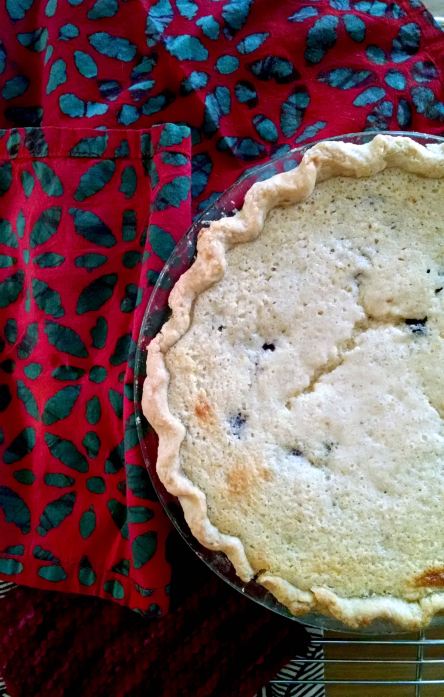
I’ve been telling one Mr. Loomis that it is already fall around these parts (it’s true), but he doesn’t like to hear that. It’s undeniable, however, the change in the air and the light. California is beyond crispy because of our enduring drought, so the leaves are not a good indicator at the moment of the subtle change in season. But there’s something that rolls around this time of year, so that I know in my heart summer is over and soon we’ll be pulling out an extra blanket for the bed or thinking of nothing else but apple pie.


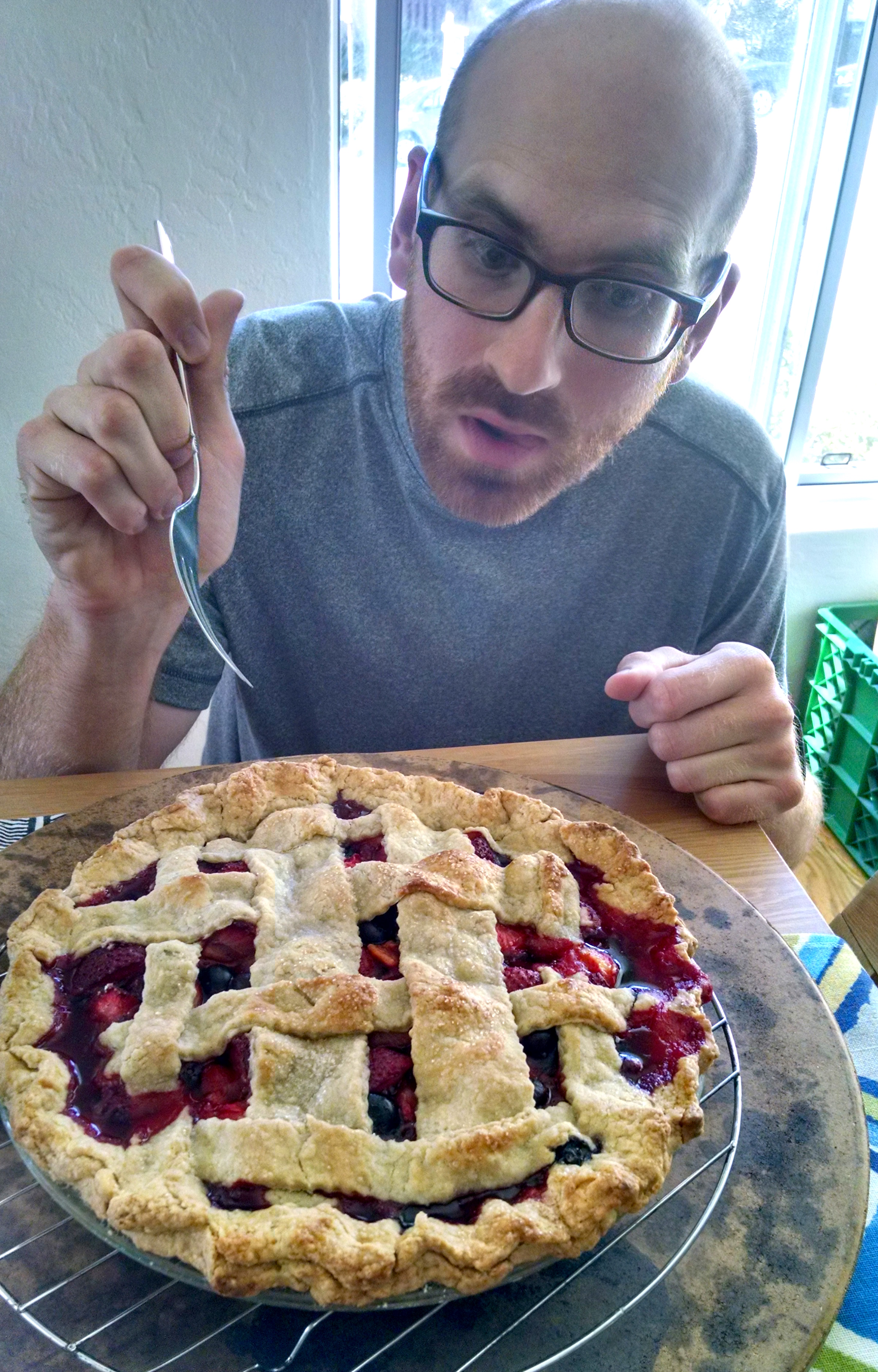
As some consolation, we dedicated last weekend to a final burst of summer activities, with a hike in the hills, grilling dinner on our tiny weber in the driveway, and baking a blueberry chess pie. This pie is also an indicator of the cusp of summer/fall times. Stone fruit has already turned well beyond its peak-of-season flavor, so I’m looking ahead to fall and winter fillings — chess pies with custard and buttermilk, fillings of apple or pear, pies of lemon and chocolate and pumpkin and walnut and oat, oh my. These are all worthy of excitement.
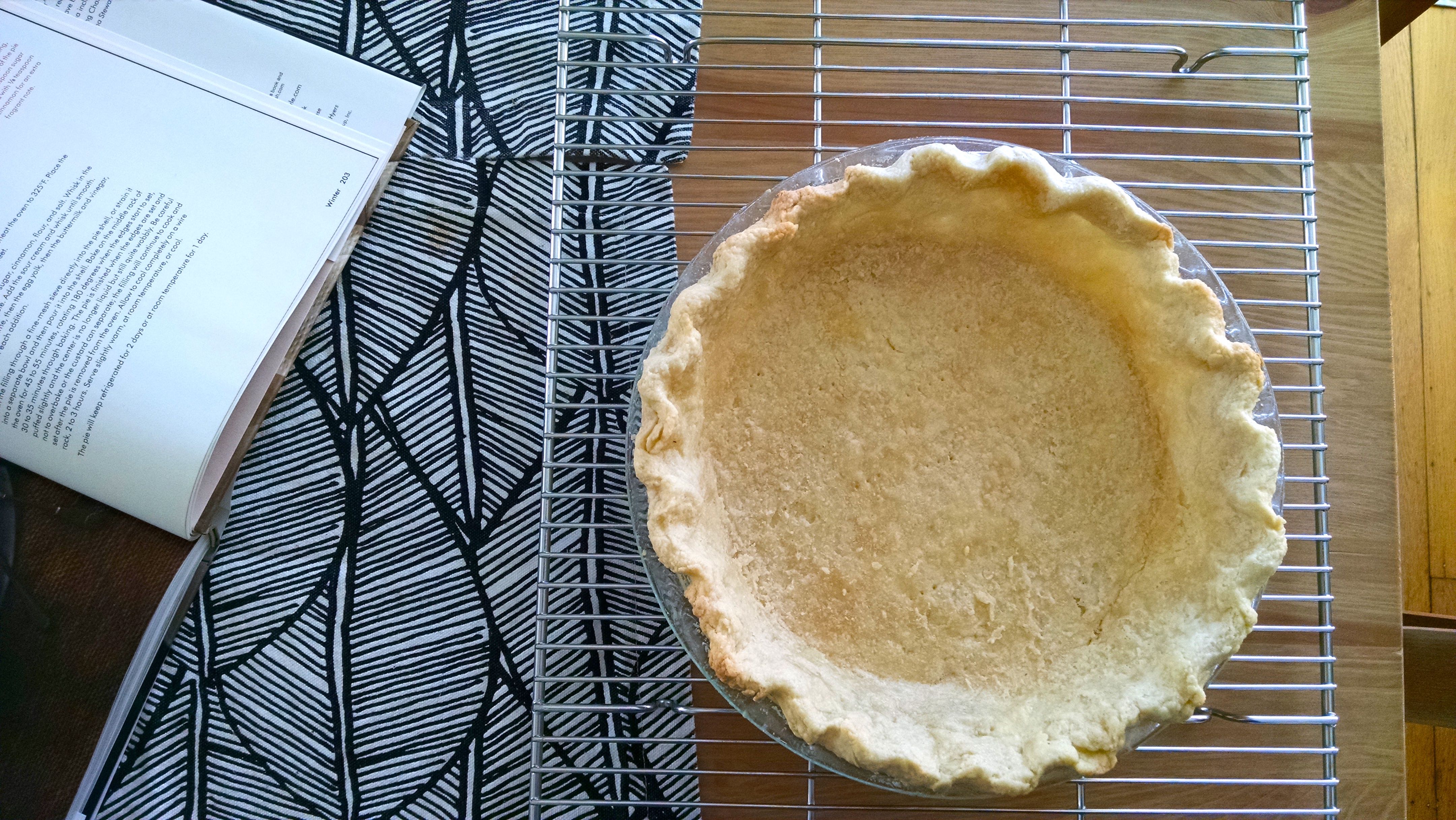
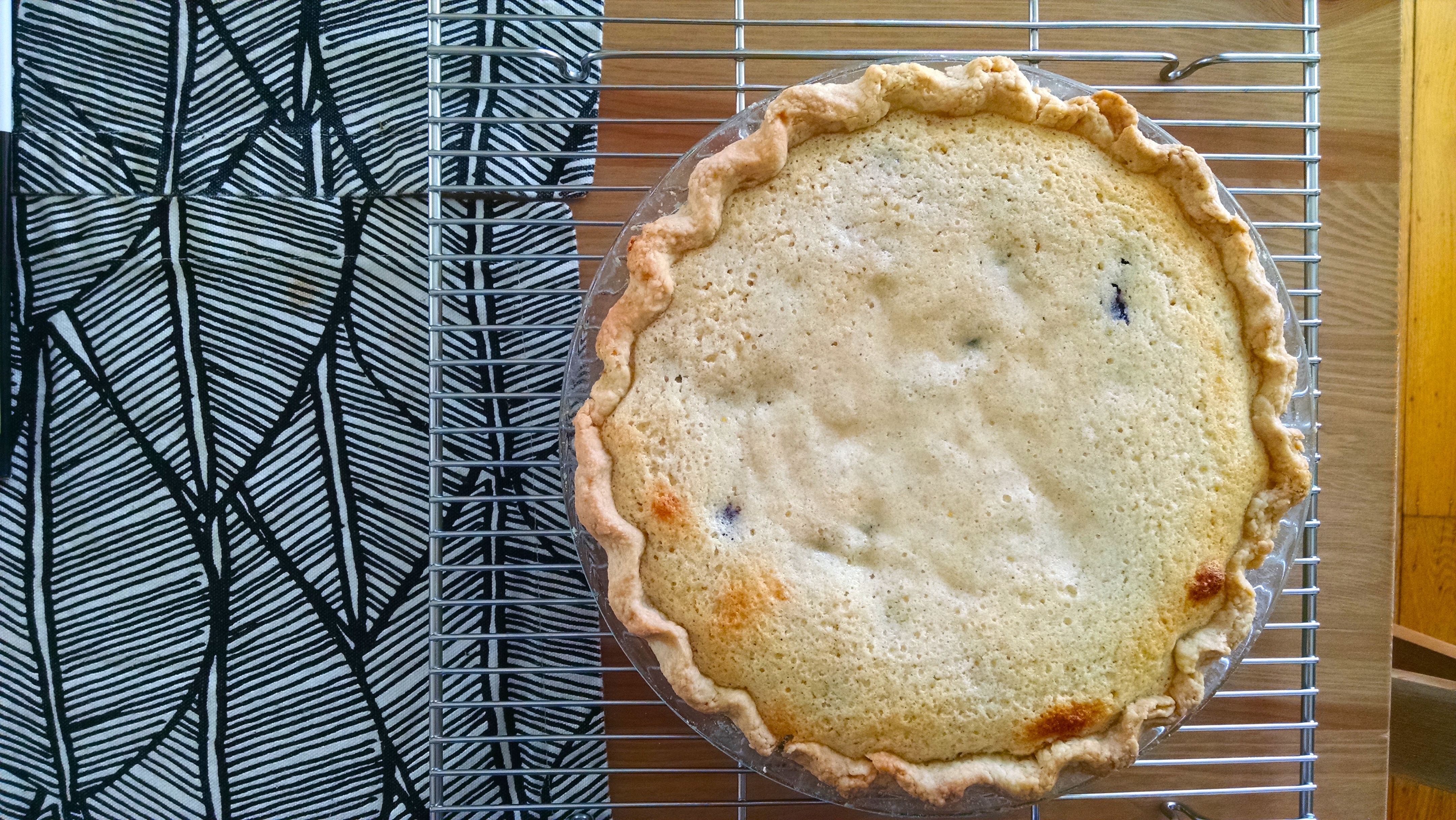
Given that I’m still getting the hang of timing re: custard fillings, this pie was almost perfect. And per my sentiments of past posts, we also know that perfection is overrated. I pulled this pie from the oven probably a few minutes too soon — or didn’t let it cool quite long enough (Hey, it’s hard to keep mitts off a freshly-baked pie), so the first few slices we enjoyed were not completely set. After a night in the refrigerator, however, the pie had set entirely by the next day.
Chess pies definitely require closer monitoring while they bake. Given the advice I’ve read in books by Four and Twenty Blackbirds and the Hoosier Mama Pie Company, bakers I respect immensely, you’re looking for the outer two inches of the filling to be puffed and set as an indicator of doneness, while the inner circle of the pie will still be wobbly when you remove it from the oven. The difference being that the center should be moving as a whole rather than a sea of liquid. Taking the pie out before it’s overcooked helps to avoid the filling splitting as it cools, and even in its wobbly state, the pie will continue to cook and set as it cools.

An issue of practice being the best guide, I expect I’ll be able to better gauge the exact moment to pull the pie from the oven over time. And about the name? There are so many theories about why chess pie is called so, that’s a bit like: choose-your-own-adventure. The most common explanation, however, suggests that the term chess pie originated from “chest pie,” because these custard pies are made with so much sugar that they could be stored in a pie chest rather than in a refrigerator.
And the defining element of the filling? About a tablespoon of cornmeal which lends a pleasant bite and grittiness that I love.
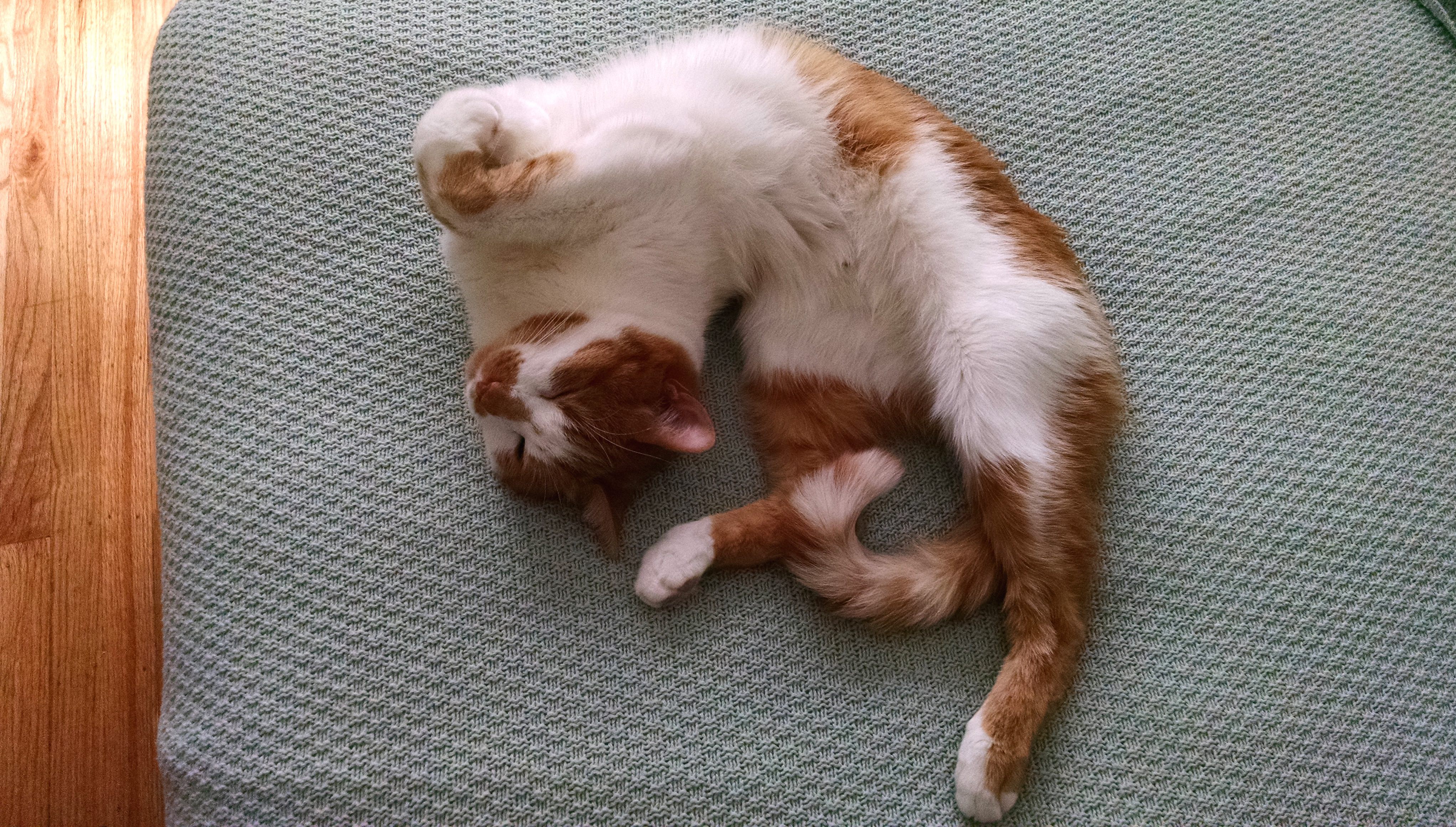
In the meantime, I’ve pulled the sourdough starter from the fridge with a gleam in my eye for cinnamon-raisin bread, up next. Happy end-of-summer celebrations, gang. And some cute cats below, just because.

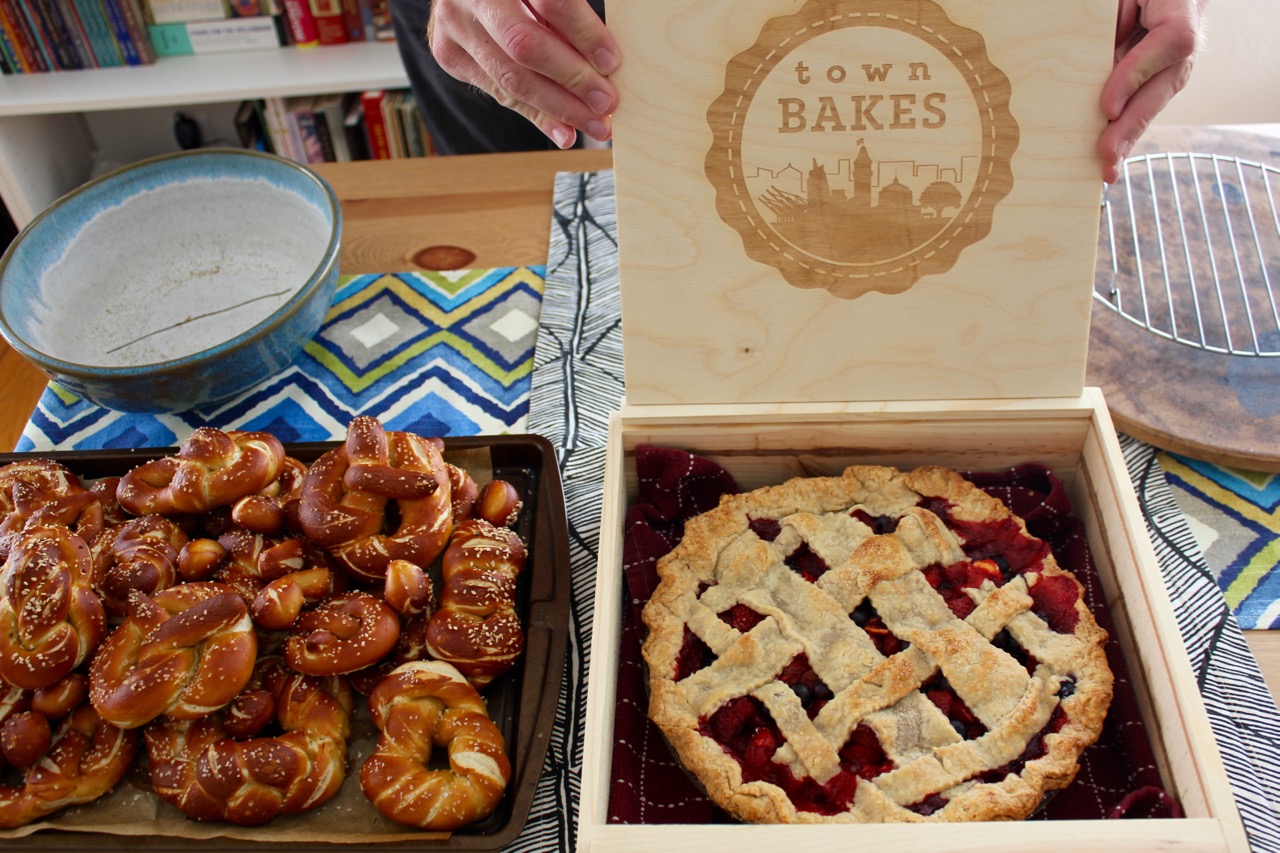
 Town Bakes