Black & Tan Seeded Hearth Loaf

IMG_20150904_165821147

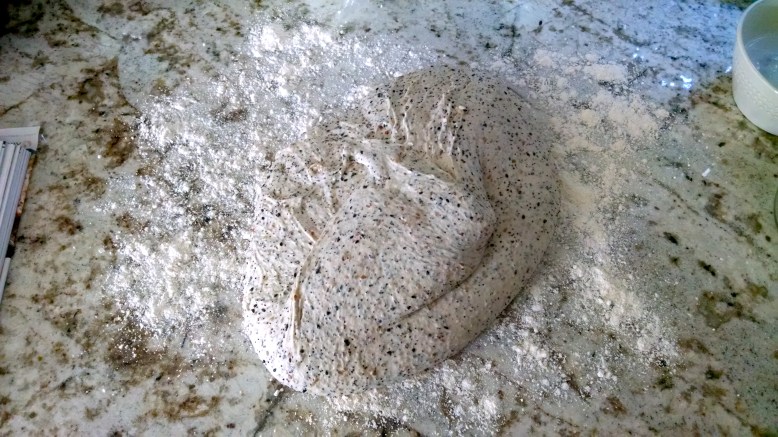
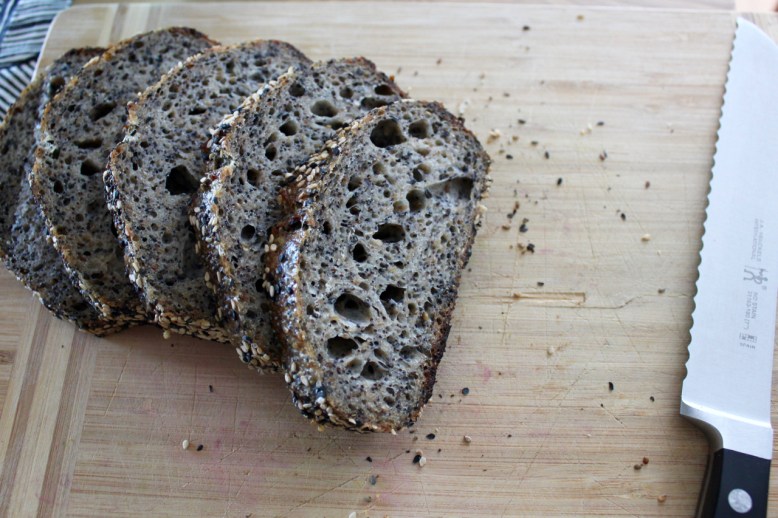
This loaf recipe is akin to one of my favorite drinks, a black and tan, which, with the use of sesame seeds, black sesame seeds, and poppyseed, isn’t a stretch. We could even say, black, tan, and grey all over; the black sesame seeds caused the loaf to take on a grey hue, at first, after adding the seed soaker to the dough.
Black_Sesame_Bread_4IMG_20150904_172756193

We loved this loaf, especially since Nick and I are head-over-heels for sesame. We’ll forever be trying to recreate the most tender and exquisite sesame baguette we had in Paris last summer; fresh from the bakery early one morning, and still warm, it was sheer heaven.

Baking these loaves was also another example of: sometimes, everything that can go wrong, will. It’s good to have flops once in a while, and that’s ok. Imperfect bread builds character.
Black_Sesame_Bread

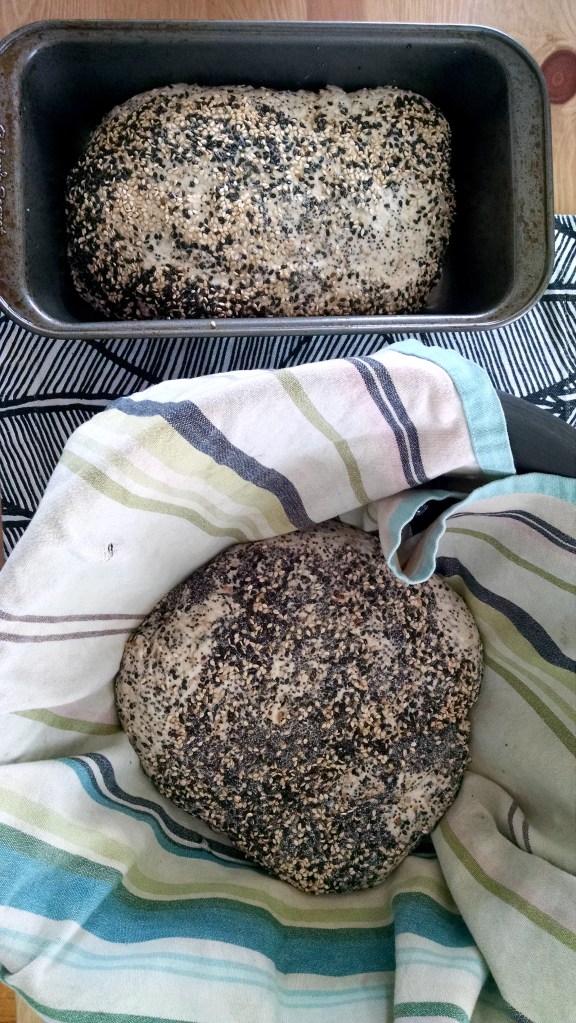
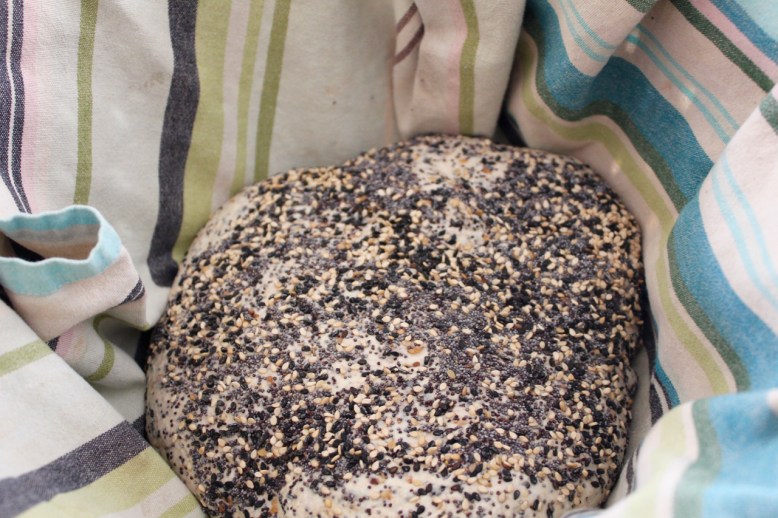
In my excitement to get the bread in the oven, I forgot two key things: one, to slash my loaves, and, two, to oil my loaf pan. Not slashing the bread isn’t the end of the world — it will simply rupture naturally at points, which doesn’t create a uniform look to the bread design. What I should have done was just let them go on baking and use it as a ‘note-to-self’ for the next batch, but I insisted that they must be slashed (!) being the stubborn person that I am. When we lifted the dutch oven off of the hearth loaf to slash it, the dough oozed a bit so we couldn’t get the lid back on properly. See that smashed bit at the edge of the loaf now? Yep, that’s the work of this lady.

As for the loaf we baked in the loaf pan, man alive, it took days to soak and get that thing clean. Oiling your loaf pan = necessary. Other regrettable baking tales welcomed in the comments!
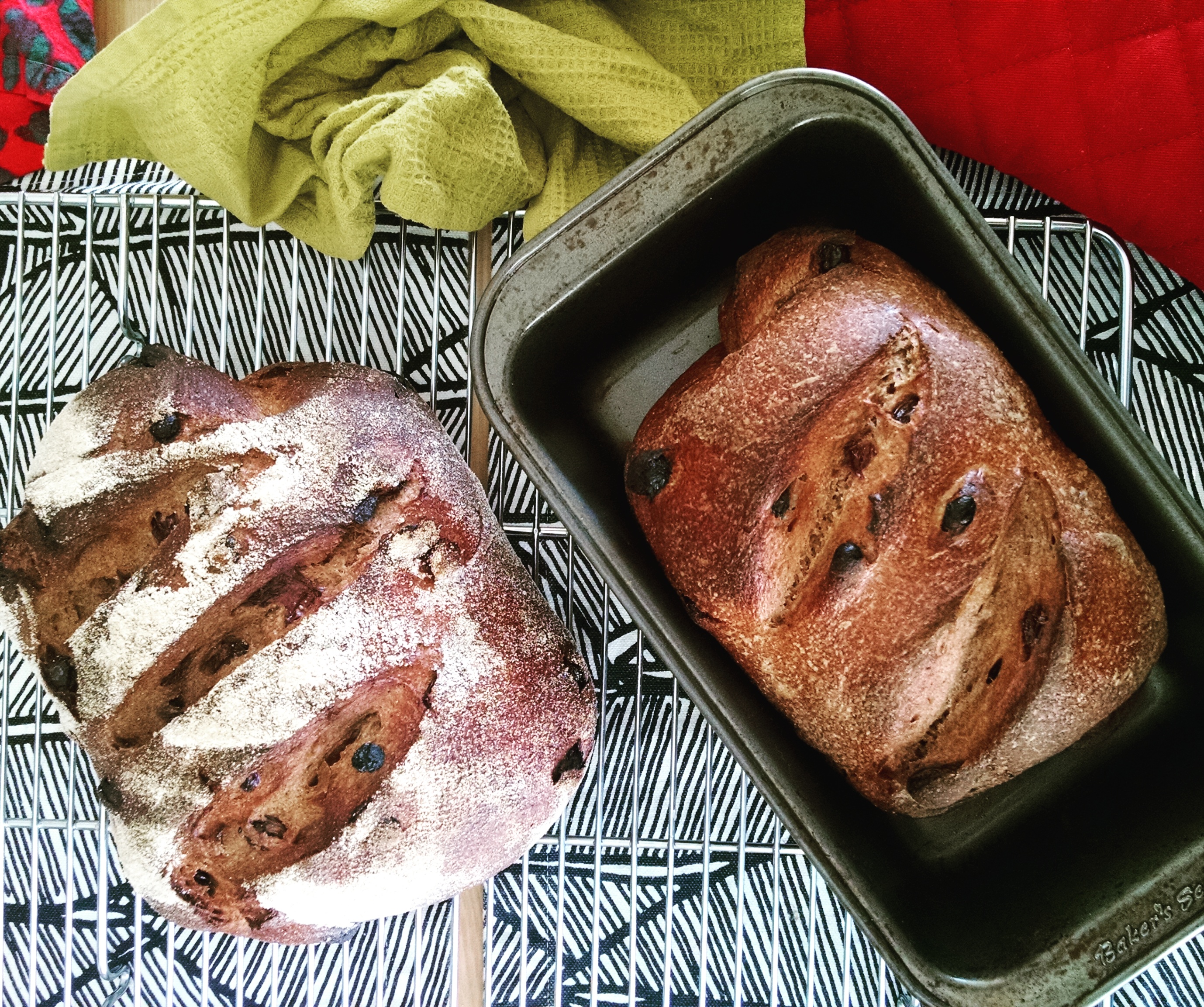
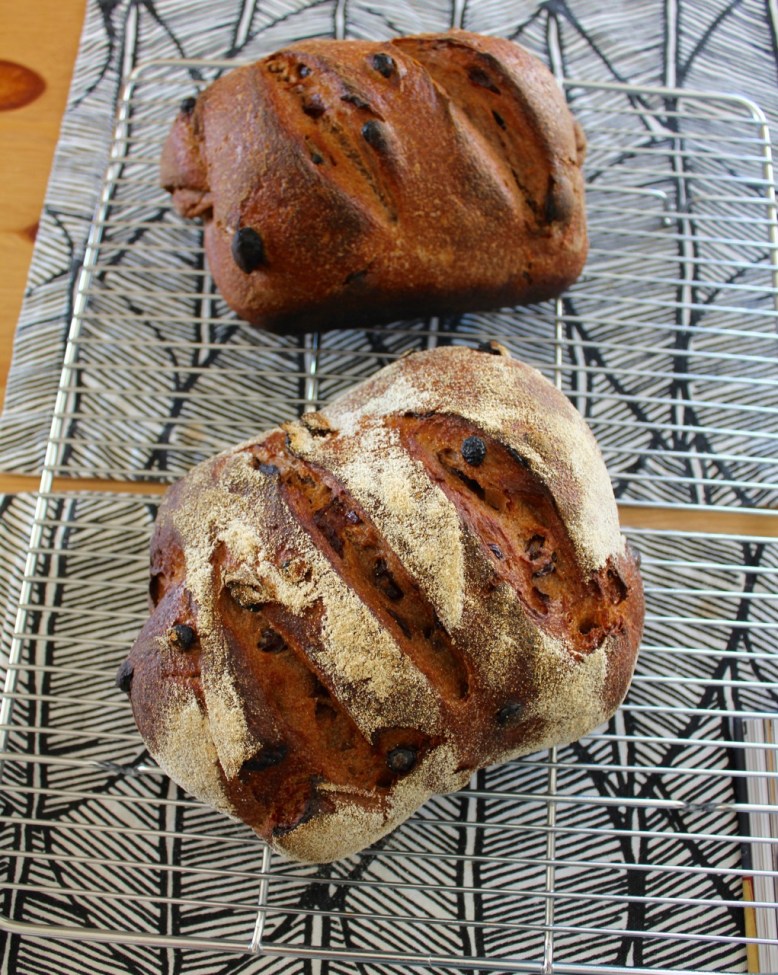
Whole wheat (slightly sour) cinnamon-raisin bread

Cinnamon_Raisin_4

IMG_20150829_201140

Bread, glorious bread! Doesn’t it make you want to sing and exalt and throw a gluten-full party as we delve further into bread baking experiments? Think about this: whole wheat-sourdough-cinnamon raisin bread with a decadent cream cheese topping. Or cinnamon raisin bread with cinnamon sugar sprinkled on top, or a smear of peanut butter.

Cinnamon_Raisin_7

Who doesn’t love these things? A hallmark of childhood is the cinnamon-sugar toast my mom used to make for us when we were sick, and finally ready to eat real foods again. So this bread is nostalgic, it’s hearty, it’s dense, and offers hints of fall and winter, when we want everything to be cinnamon and nutmeg and warm apple pie or a mug of hot cider. Yes, yes, please.

I’m continuing Josey Baker Bread experiments and am having such FUN, which, I think was his intent (I dig it). Bread baking has always had an air of the scary — like there was too much science involved or epic room for error. But really, the only tools you need are patience and a willingness to be attentive to the dough; to notice the subtleties during each phase and think about what modifications you’d make next time.

Cinnamon_Raisin

Cinnamon_Raisin_2

Young bread, ready for stretching and shaping

The patience part is good practice for me, since I’m the kind of person who discovers a recipe that looks amazing and has to bake it RIGHT NOW right now right now. And I usually can’t think of much else until I do.

Most of his recipes involve rounds of stretching and kneading across half-hour intervals, so it’s stretch-knead-wait a half-hour a total of four times before getting to the bulk-rise phase of the recipe.

Cinnamon_Raisin_3

Cinnamon_Raisin_5

I still need practice in shaping my loaves. These two turned out especially dense, with the bread baked in the loaf pan not even filling the pan entirely. It’s a lesson to me to spend more time stretching during the shaping phase, for a more evenly sized loaf.

Cinnamon_Raisin_6

Mr. Baker calls for Thompson raisins, though I used a mix of flame and Thompson, sea salt, cinnamon, and whole wheat flour. His recipe calls for a very small amount of sourdough starter, and I added approx. a teaspoon more than recommended since I wanted this to be a noticeably sour loaf.

Next up in gluten tales, diving into an everything loaf coated with poppyseed and sesame.

Hello, little hearth loaf

IMG_20150717_101208

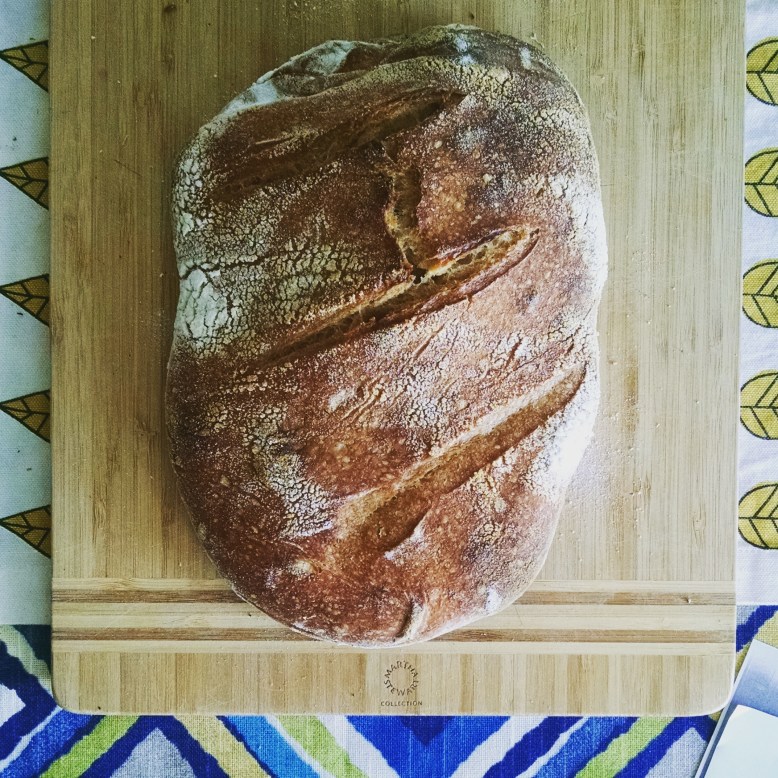
Happy Friday! The foray into Josey Baker’s bread recipes continues. This is the sourdough hearth recipe in his book, made with my own sourdough starter I’ve been tending for weeks. Clearly, my slashing technique needs some practice. The results, however, are pretty airy, tender, and awesome.

IMG_20150717_100327785

Looking at the cross-section, I’m wondering if that’s almost what they call a false roof? Any comments/tips are appreciated!

Bread-baking and a small batch of strawberry preserves

IMG_6201

IMG_6194

The fact is that I’ve only baked one loaf of bread on my own. I’ve been the observer, the helper, the sometimes-bowl-washer, the happy-to-gobble-it-up, yes-please, to Nick’s countless hearth loaves and artisan breads that have come out of our kitchen. I am the majority pie-baker in our household, but I thought it was time to finally branch out into some bread-baking myself, and to start with the basics.

IMG_6196  IMG_6204

Josey Baker is a ridiculously charismatic baker who lives locally and operates The Mill across the bay in San Francisco. He doesn’t come from a formal culinary background; he fell in love with bread and dove whole-heartedly into production, selling his loaves out of his home, pedaling them around town, and carving out a space at Mission Pie before starting his own bakery. His book is filled with advice perfect for the beginning baker, and the progression of recipes makes it easy to start slowly diving into the nuances and details of baking bread at home. He has provided the inspiration for many, many batches of chocolate chip cookies and delicious bread in our home. Thanks, Josey.

IMG_6209

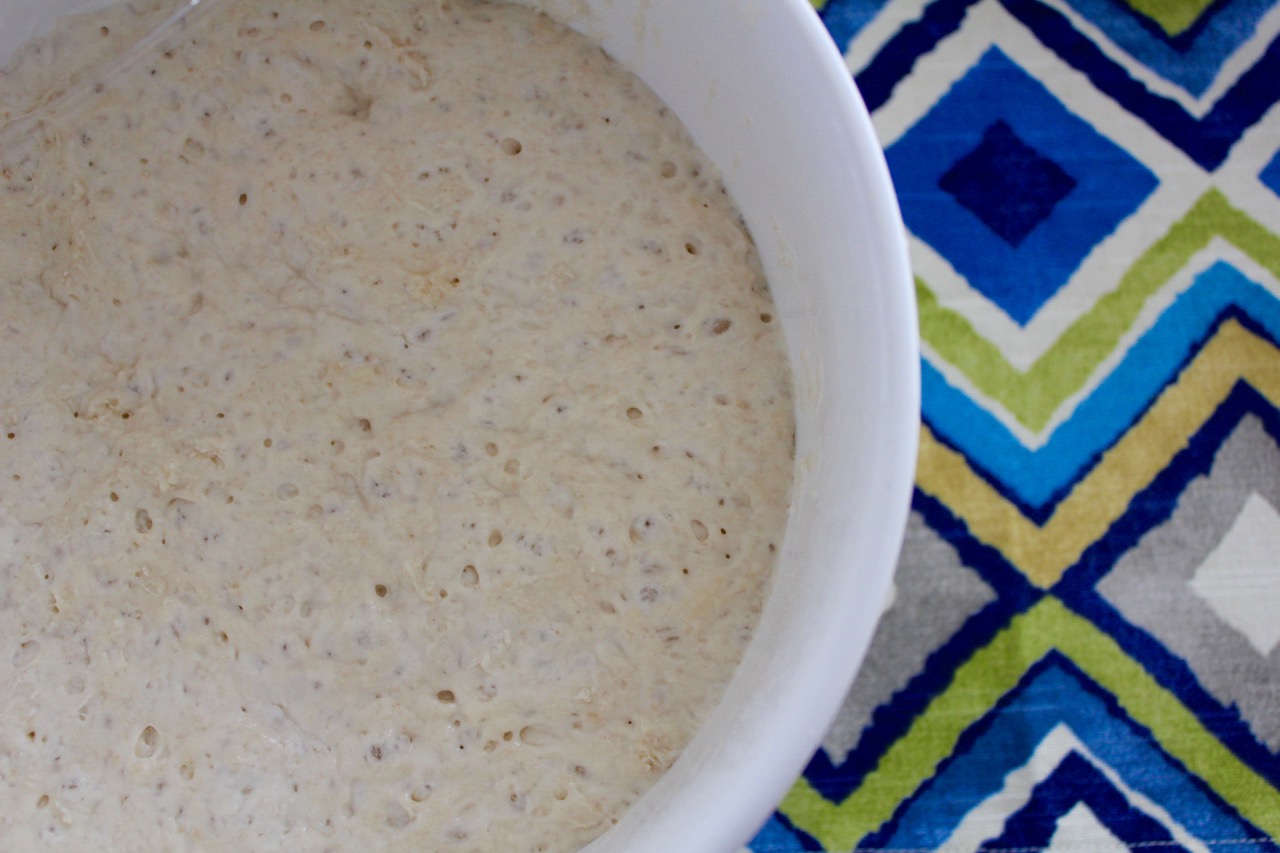
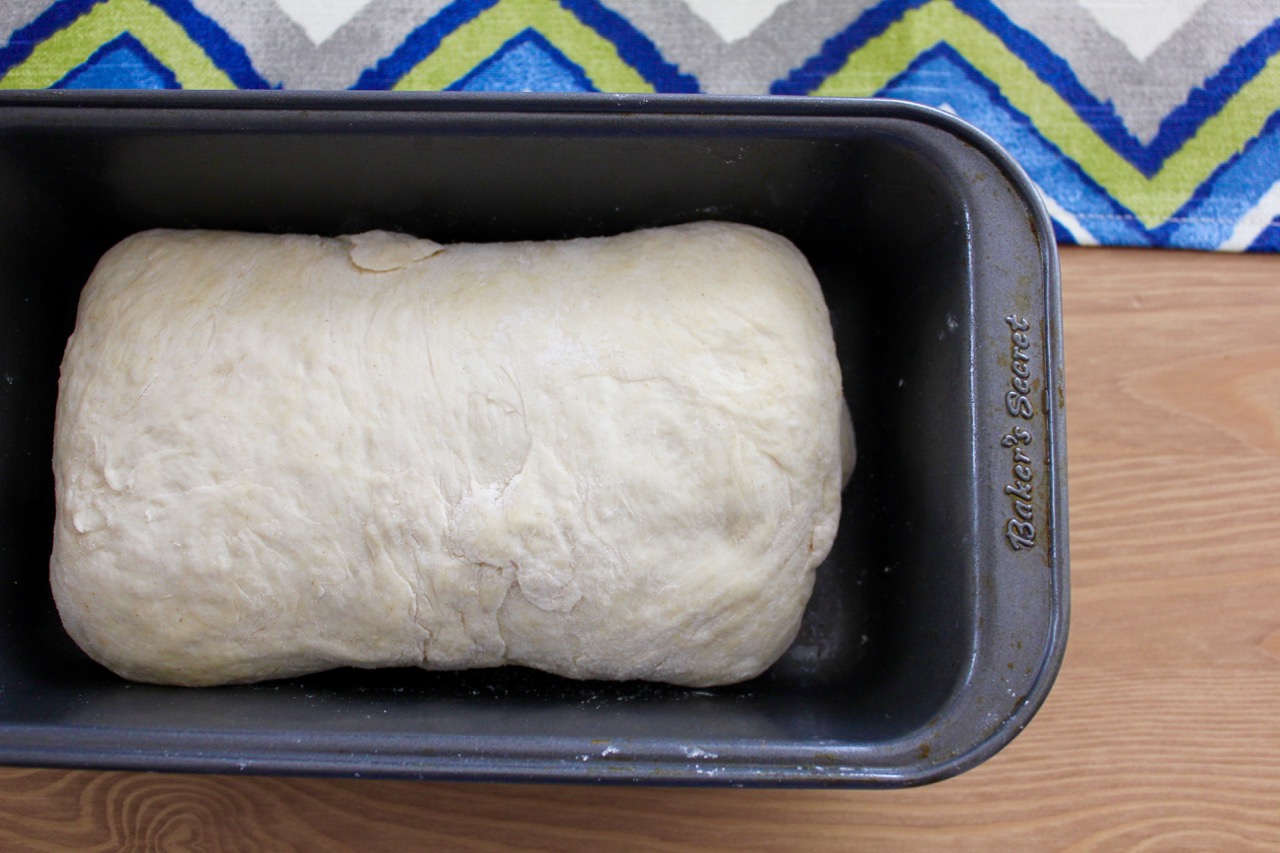
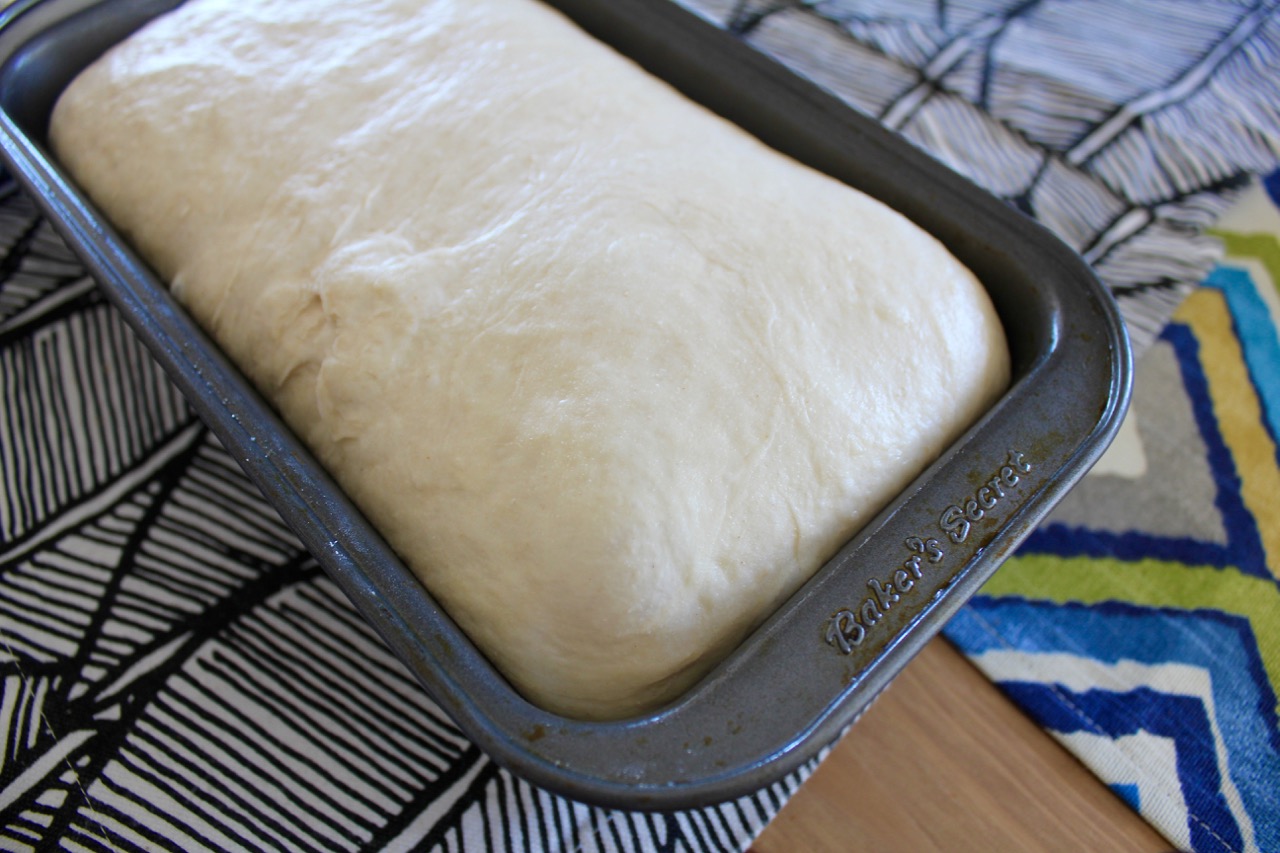
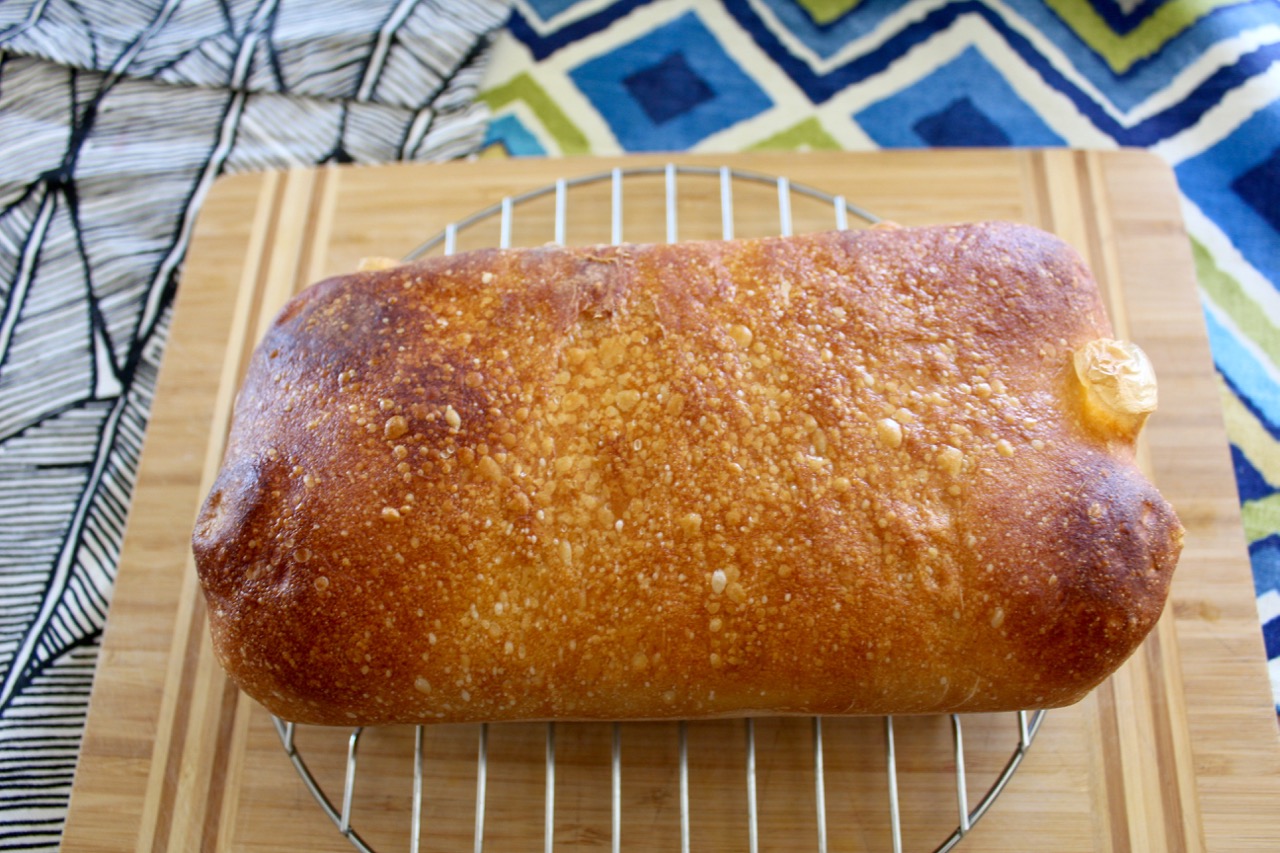
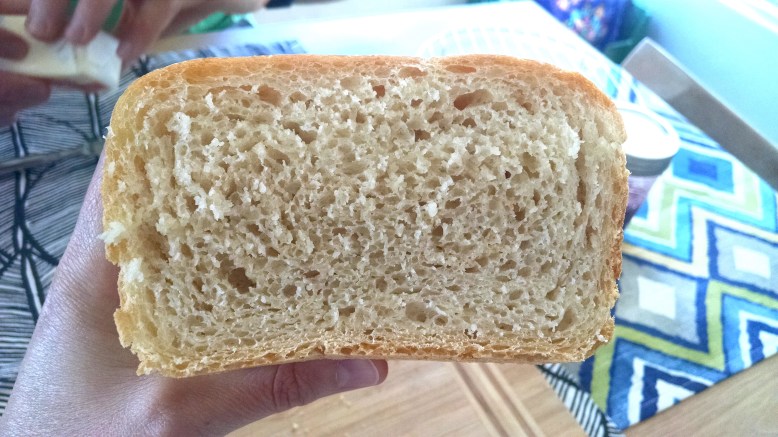
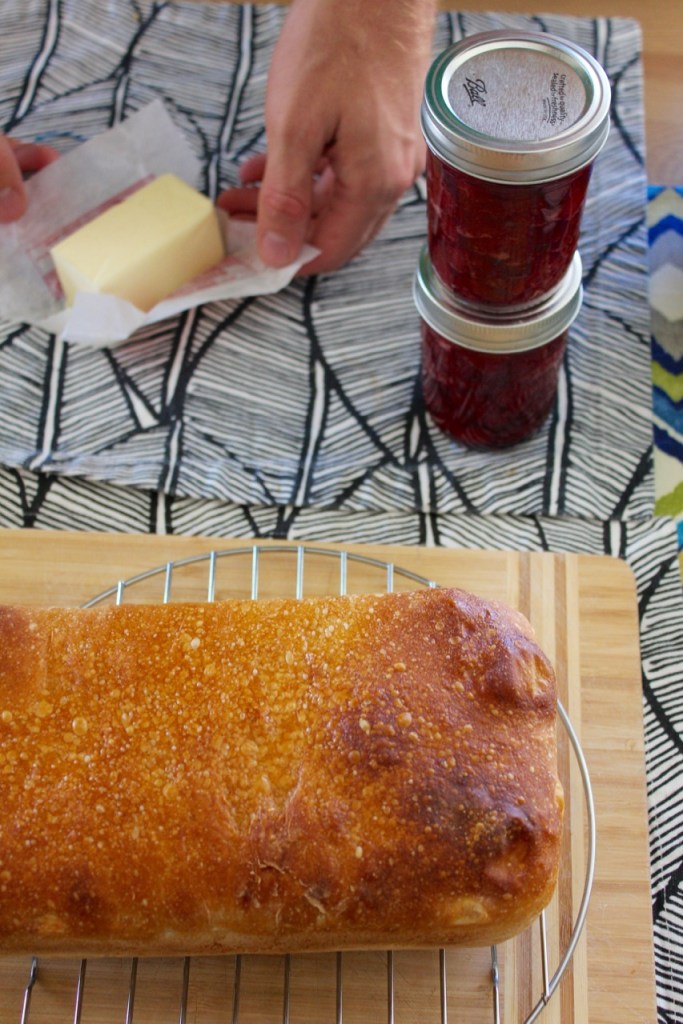
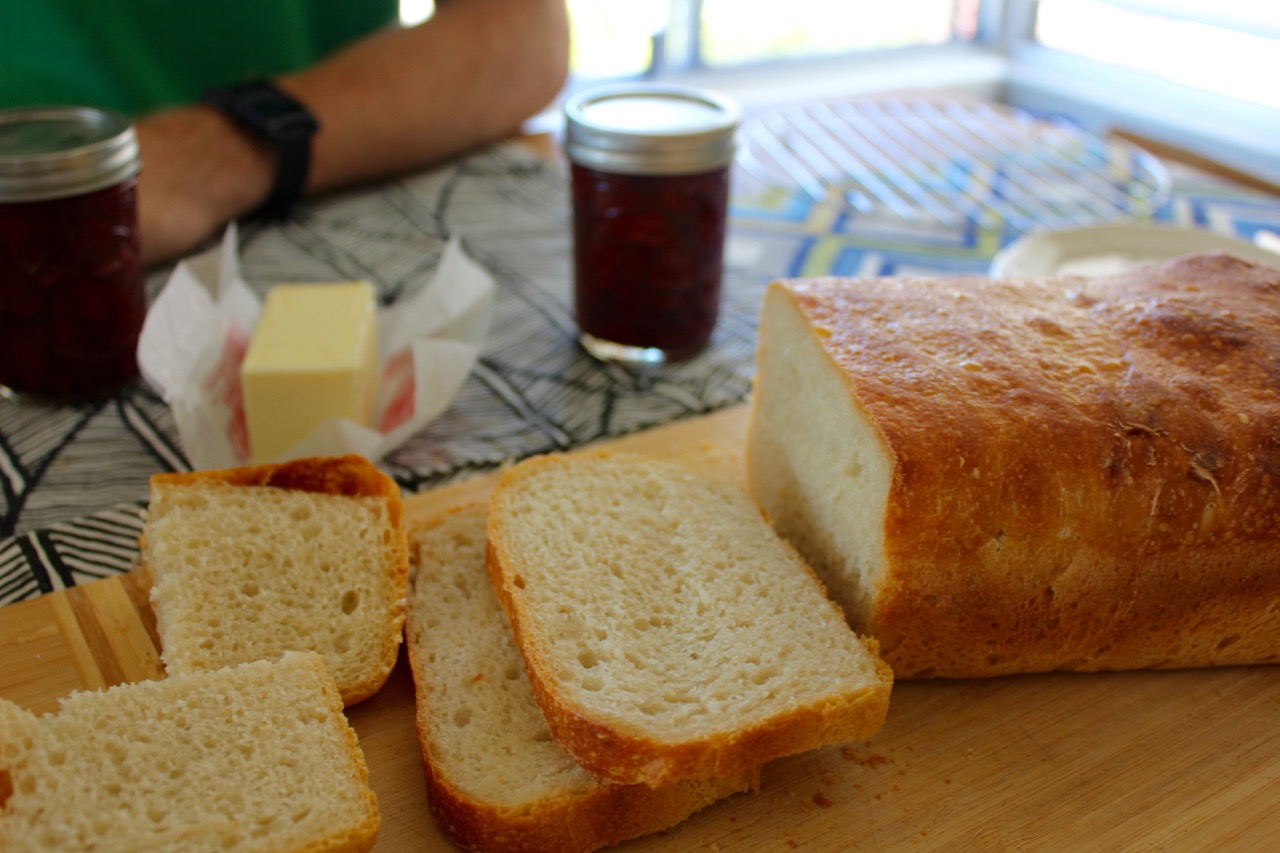
This loaf is his first recipe in the book: a basic country loaf or a sandwich loaf, baked in a loaf pan. There’s only a little mixing and absolutely no kneading involved, and most of the work is patiently waiting for the dough to rise.

IMG_20150703_144217415

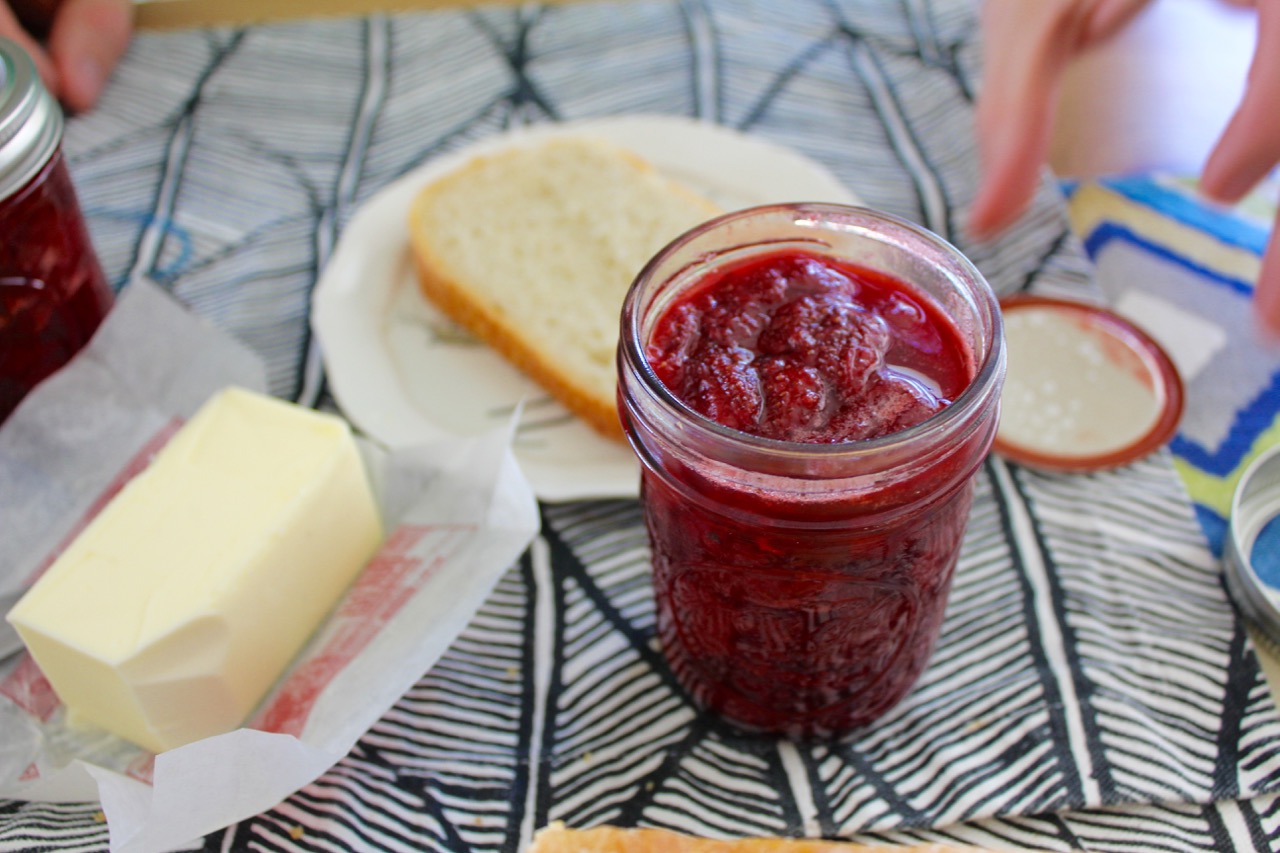
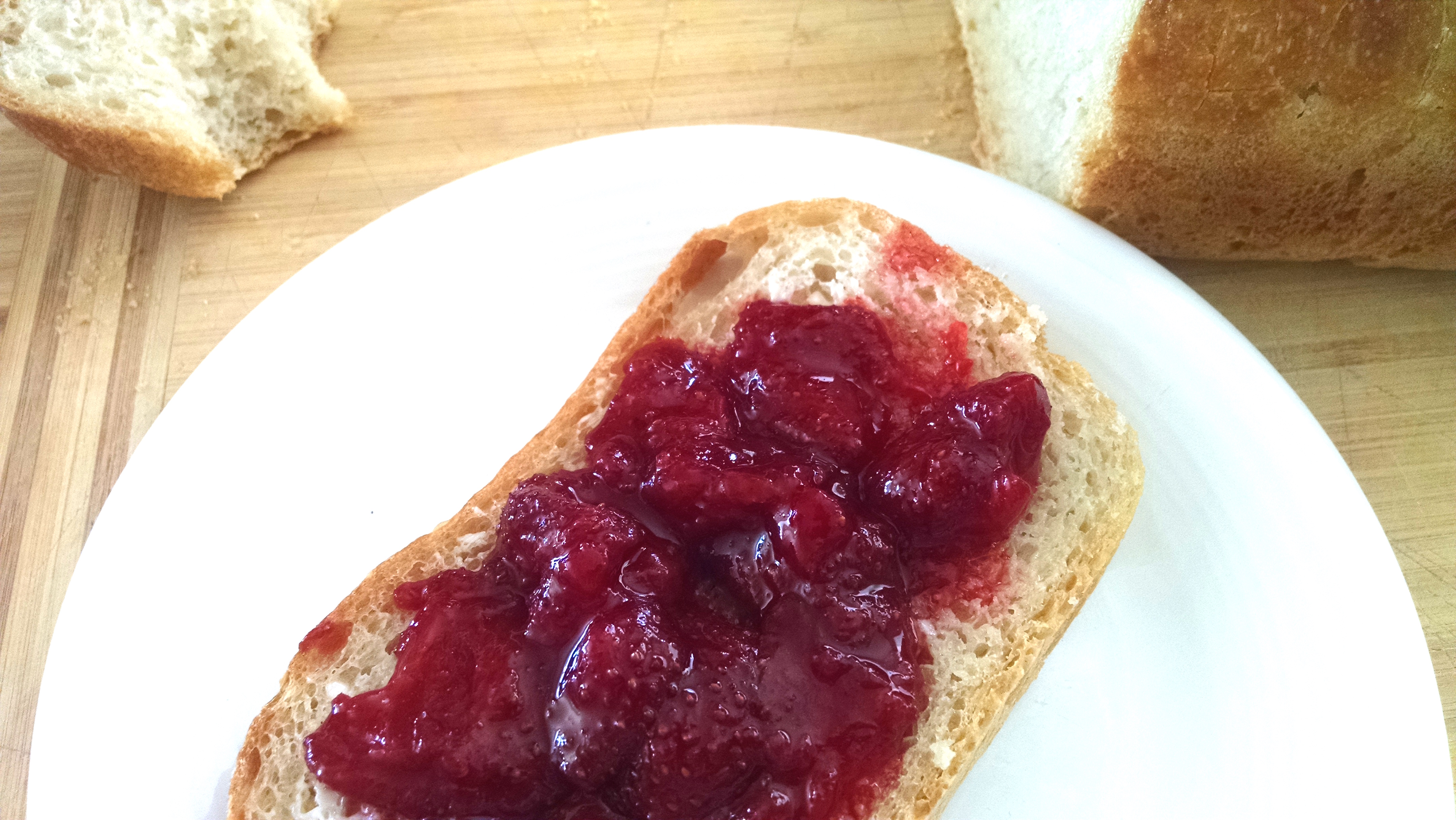
And what better to go with a loaf of freshly baked bread? You bet, homemade preserves. We’ve had a lot of strawberries hanging around — I anxiously bought a huge batch in anticipation of fourth of July baking, and realized half-way through last week that they wouldn’t in fact last until the weekend.

IMG_20150702_201751846

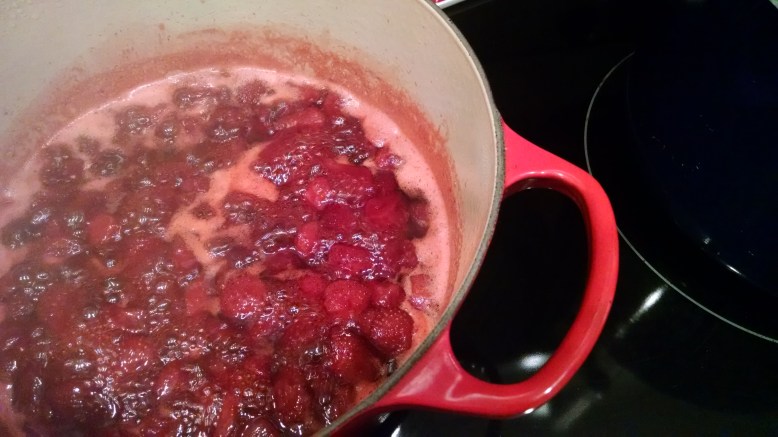
Syrupy fruit simmering — about to become jam!

I was turned on to canning and preserving at home when my friend Erin started making her own preserves. She brought me the best batch of strawberry jam that I had ever tasted, because the flavor of the fruit wasn’t masked by too much sugar — it was inherently strawberry, and super fresh, and I consumed that jam at a record speed.

And last year Nick and I took two canning classes hosted by 18 Reasons in San Francisco. We learned how to get started — the basics of sanitizing jars, prepping fruit and bringing it to a rolling boil, and filling and sealing jars — and left with batches of delicious syrup, shrub, and jam and preserves. From apricot jam, to a ginger-meyer-lemon marmalade, to cherry preserves, it was an inspiring way to get started with our own canning habit.

IMG_6214

IMG_6224 IMG_6225

For this round, we hulled strawberries, crushed pink peppercorn and lavender, and made a small batch of strawberry-lavender jam with a hint of pink peppercorn. It smelled luscious simmering on the stove and perfumed the entire house. We used a two-to-one ratio of fruit-to-sugar, and I wouldn’t want it any sweeter.

IMG_20150703_142848120